
Staff Writer

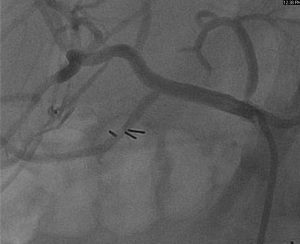
Mesenteric artery stenting: Technical considerations

Chronic mesenteric ischemia can pose a diagnostic and technical challenge for the interventionist. Indications and patient selection for mesenteric artery stenting were covered previously here. This article will outline technical aspects of mesenteric artery stenting. Clinical Vignette A 74-year-old gentleman with a history of antiphospholipid syndrome and celiac artery stenosis treated with a single balloon-expandable…

Read More

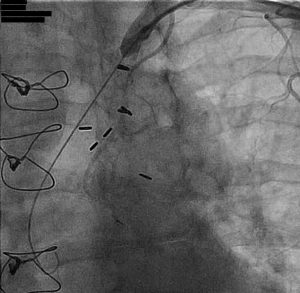
Subclavian Intervention: Technical Considerations and Management of Complications

A 57-year-old diabetic woman with a history of three-vessel coronary bypass grafting presented with unstable angina in the form of chest pain occurring at rest. Stress PET-CT showed a dense reversible anterior wall defect and she was referred for urgent cardiac catheterization. Cardiac catheterization was performed via a left radial artery approach. Angiography revealed a…

Read More

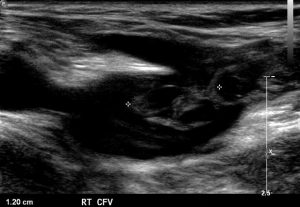
EVLA – Endovenous Laser Ablation

Endovenous Laser Ablation, EVLA, is a minimally invasive treatment of chronic venous insufficiency. EVLA works by selective photothermolysis. A laser emitting fiber of varying wavelengths (810-1470 nm) is placed percutaneously within the treated vein. The laser disrupts the vein both directly and indirectly. Certain wavelengths injure the venous wall directly. Other wavelengths heat venous blood…

Read More

Endovascular Approaches to Chronic Total Occlusion of the Superficial Femoral Artery

The superficial femoral artery is commonly affected in patients presenting with intermittent claudication and critical limb ischemia. Patients with chronic total occlusion of the superficial femoral artery present a unique challenge for the peripheral interventionalist. Clinical Vignette A 57-year-old diabetic man with a history of left femoral-popliteal bypass grafting presents with progressive right leg claudication….

Read More

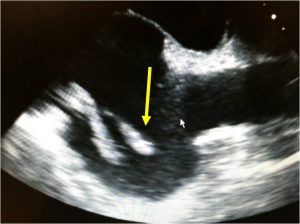
Catheter Based Interventions for Pulmonary Embolism

Systemic thrombolysis is an appropriate therapy in carefully selected patients with submassive and massive pulmonary embolism. However, the systemic administration of thrombolytics is associated with significant risks of bleeding including intracranial hemorrhage. Recent innovations in percutaneous technology have led to the development of a number of catheter-based therapies to treat pulmonary embolism, with the primary…

Read More
Vascular Medicine