Blog

  • Poor Circulation: When to Worry About Your Veins and Arteries

    Poor Circulation: When to Worry About Your Veins and Arteries

    Many people worry about “poor circulation.” Most use this term broadly to describe cold feet, visible veins, tingling, or swelling. These symptoms are common, and most are not signs of a dangerous vascular problem. Still, some patterns deserve attention. In other words, even when we think things are not dangerous, it is always useful to be on the lookout for “red flags”.


    This article explains when vascular-type symptoms are usually benign, when they may indicate disease, and whether we need to perform testing.


    Common Concerns About Circulation

    ComplaintWhat Patients FearWhen Not to WorryWhen to WorryIs Testing Necessary?
    My feet feel cold“Poor circulation — will I lose my foot?”Feet warm indoors, skin looks healthy, and pulses are strong — usually normal temperature sensitivity.One foot stays cold, pale, or painful — possible arterial blockage or severe peripheral artery disease (PAD). If both feet (and sometimes hands) are cold, consider primary Raynaud’s or low thyroid function.Usually no testing if both feet warm equally and pulses are normal. Persistent one-sided coldness calls for a physical exam and ankle–brachial index (ABI) to rule out PAD.
    My fingers turn white with cold“My fingers lose blood flow — could they die or turn black?”Color change triggered by cold or stress that turns white → blue → red, resolves within minutes, and occurs symmetrically — classic primary Raynaud’s phenomenon, usually harmless.Severe or painful attacks, fingertip ulcers, color change in only one hand, or onset after age 30 — possible secondary Raynaud’s from autoimmune or vascular disease.Usually not needed for mild, typical Raynaud’s. If symptoms are severe, associated with fever, joint pain, fever or weight loss, or new in adulthood, order autoimmune screening (ANA) and vascular evaluation.
    I see large veins on my legs“These must be blood clots — could they travel to my lungs?”Soft, rope-like veins that flatten when legs are raised — benign varicose veins caused by valve weakness, not clots.A firm, tender, swollen cordlike vein — may indicate superficial thrombophlebitis. Deep tenderness or swelling without visible veins suggests deep vein thrombosis (DVT).None for cosmetic veins. If pain or swelling develops suddenly, a venous ultrasound confirms or excludes DVT. Compression stockings help with mild discomfort.
    My feet turn purple when I sit“Poor circulation — am I getting gangrene?”Color returns when legs are elevated — normal venous pooling from gravity.Persistent discoloration, pain, or ulcers — possible chronic venous insufficiency or mixed arterial disease. Redness (dependent rubor) that stays when elevated suggests arterial disease.Not if color normalizes with elevation. Persistent or painful color change may need venous reflux testing or ABI.
    My legs swell at the end of the day“I have heart failure or a clot.”Mild, symmetrical swelling that improves overnight — common after standing, heat, or salty meals.One-sided swelling with pain or redness — likely DVT. Both legs swollen with shortness of breath or weight gain — possible heart, liver, or kidney disease.None for mild daily swelling. Sudden enlargement of one leg warrants urgent venous ultrasound. Persistent bilateral swelling may need basic labs and medication review.
    I feel a strong pulse in my neck or belly“Is this an aneurysm? Could it burst?”Visible or palpable pulse, especially in slim people — normal arterial movement.A strong, expanding, or painful pulsation — possible aortic or carotid aneurysm. A new or enlarging pulsation also needs evaluation.Not if longstanding and symptom-free. Screening abdominal ultrasound is reasonable for men over 65 with a smoking or family history.
    My legs tingle or feel numb“Is this a stroke or blocked circulation?”Tingling after sitting, crossing legs, or being cold — benign nerve compression or temperature effect.Persistent tingling, burning, or weakness — may indicate neuropathy, nerve entrapment, or PAD if pain or color change occurs with walking.None for short, position-related tingling. Ongoing symptoms may need a vascular exam, ABI, or neuropathy workup (glucose, B12).
    My left arm or jaw aches“I’m having a heart attack.”Brief, position-related pain reproducible with movement — usually musculoskeletal.Pressure, heaviness, or tightness with exertion, nausea, or sweating — possible angina or heart attack.If pain appears with exertion or classic cardiac signs, get an ECG and cardiac enzymes immediately.
    I feel dizzy or my face tingles suddenly“I’m having a stroke.”Brief lightheadedness after standing or tingling with anxiety — benign autonomic or stress response.One-sided weakness, facial droop, or slurred speech — possible TIA or stroke.None for short-lived lightheadedness. Persistent neurological changes need urgent brain imaging and carotid ultrasound.

    Understanding “Poor Circulation”

    Patients often use “poor circulation” to describe any symptom involving the legs or feet.
    In medical terms, it most often refers to peripheral artery disease (PAD) — a narrowing of arteries that limits blood flow to the legs.

    Typical PAD symptoms include:

    • Leg pain or cramping while walking that improves with rest
    • Cool, pale feet that do not warm easily
    • Wounds on the feet that heal slowly

    If these features are absent, true PAD is less likely. Other common sensations — cold feet in winter, visible veins, or mild swelling — usually have other explanations.


    When to Seek Evaluation

    Contact your clinician if you notice:

    • One-sided or persistent coldness, color change, or swelling
    • Leg pain with walking or at rest
    • Non-healing ulcers on the feet
    • Risk factors such as smoking, diabetes, high cholesterol, or family history of vascular disease

    Simple non-invasive tests such as an ankle–brachial index (ABI) or ultrasound can confirm whether the cause is vascular.


    The Take-Home Message

    Most complaints that sound “circulatory” are not due to blocked arteries or veins.
    Cold feet are often normal, visible veins are usually cosmetic, and swelling after a long day is expected.
    What matters are changes that are one-sided, persistent, painful, or progressive — those are the ones to bring to medical attention.

  • Inflammatory Aortic Aneurysm

    Inflammatory Aortic Aneurysm

    Inflammatory aortic aneurysm (IAA) represents a unique and important subset of aortic aneurysms, most commonly involving the abdominal aorta (inflammatory abdominal aortic aneurysm, or IAAA). Recognizing and managing this condition is critical, as it differs significantly from typical abdominal aortic aneurysms (AAAs) in presentation, pathophysiology, and treatment approach.

    Definition and Epidemiology

    An inflammatory aortic aneurysm is characterized by marked thickening of the aortic wall, dense periaortic fibrosis, and infiltration by inflammatory cells. The condition accounts for 4–10% of all abdominal aortic aneurysms, typically affecting patients around a decade younger than those with standard AAAs. The majority of patients are male and often have a significant smoking history, reinforcing the role of modifiable risk factors in disease development.

    Pathophysiology

    The pathogenesis of inflammatory aortic aneurysm is complex and not yet fully understood. As of the writing of this article, our knowledge about the pathophysiology of abdominal aortic aneurysm formation is not much better. Still, central to the disease is a robust inflammatory response, with histological analysis revealing T cells, macrophages, neutrophils, dendritic cells, B cells, and mast cells within the aortic wall. These immune cells secrete cytokines and matrix-degrading enzymes, contributing to medial destruction, adventitial fibrosis, and the characteristic periaortic tissue “mantle” identified on imaging. Notably, over half of IAAAs are linked to IgG4-related disease, which presents with dense fibrosis and responsiveness to steroid therapy.

    Clinical Presentation of Inflammatory Aortic Aneurysm

    Unlike standard AAAs, inflammatory aortic aneurysms are frequently symptomatic at the time of diagnosis. Common clinical features include:

    • Persistent abdominal or back pain (seen in up to 80% of cases)
    • Weight loss
    • Fever
    • Elevated inflammatory markers (elevated ESR or CRP in the majority of cases)

    Patients may present with a pulsatile abdominal mass, but this is not universally found. Recognizing that the classic triad of pain, weight loss, and raised inflammatory markers is not specific, it should still heighten suspicion for an inflammatory aortic aneurysm. Involvement of adjacent structures, such as the ureters, can cause hydronephrosis, further complicating the clinical picture.

    Imaging and Diagnosis

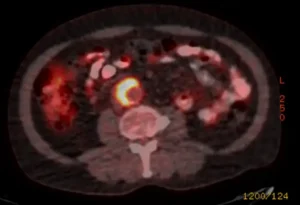
    Imaging is key to diagnosing inflammatory aortic aneurysm. On CT angiography (CTA), the hallmark is the mantle sign — a rim of soft-tissue density encasing the aneurysm.

    Additional findings may include:

    • Aortic wall thickening
    • Periaortic fibrosis extending into the retroperitoneum
    • Adherence to or encasement of adjacent structures (e.g., duodenum, ureters)

    MRI or PET-CT can provide supplementary detail on the extent of inflammation and fibrosis. Distinguishing IAAA from other entities such as infectious aneurysms, Takayasu arteritis, giant cell arteritis, or malignancy is critical to guiding appropriate therapy.

    Surveillance imaging is often also part of management. It can be done with CTA, MRA but also with duplex ultrasonography (when we specifically want to follow size). This is important both to assess response to treatment, but also to understand the acuity of the presentation. Some inflammatory aortic aneurysms are slow growing but other will progress rapidly. Thus, early on, frequent repeat imaging may be helpful. Some suggest to repeat imaging within weeks of the original diagnosis. Later imaging frequency is tailored by symptoms, previous imaging findings, and treatment decisions.

    Management of Inflammatory Aortic Aneurysm

    Medical Treatment

    It is not always clear when to escalate beyond supportive measures. These may include:

    • Pain control
    • Blood pressure management
    • Smoking cessation and cardiovascular risk reduction

    Corticosteroids may be considered, particularly in cases associated with IgG4-related disease or significant inflammatory symptoms. While not universally used, steroids can lead to symptomatic relief and reduction of inflammation over months. In select cases, immunosuppressive therapies are employed when steroids are insufficient or contraindicated.

    Surgical and Endovascular Options

    The indication for intervention is similar to the indications for non-inflammatory abdominal aortic aneurysms. This means size and growth rate thresholds. Of course, persistent symptoms may drive us to offer treatment sooner.

    Historically, open surgical repair was the standard for inflammatory aortic aneurysms. However, dense fibrosis and adhesions make open surgical repair technically challenging, increasing the risk of injury to bowel, ureters, and major veins.

    Endovascular aneurysm repair (EVAR) has become the preferred option for many patients due to:

    • Lower perioperative morbidity
    • Shorter recovery time
    • Comparable short-term survival to OSR

    However, EVAR is associated with higher rates of persistent inflammation, hydronephrosis, and long-term fibrotic complications, requiring careful postoperative monitoring.

    Long-Term Considerations

    The natural history of inflammatory aortic aneurysm differs from that of standard AAA. Periaortic fibrosis may reduce the risk of rupture, but the fibrotic process increases the likelihood of complications such as ureteric obstruction or bowel involvement. Serial imaging is essential to monitor aneurysm size and the progression of fibrosis.

    Prognosis of Inflammatory Aortic Aneurysm

    Patients with inflammatory aortic aneurysm often have a lower rupture risk compared to non-inflammatory AAAs of similar size. However, the increased risk of surgical complications, persistent inflammation, and fibrotic sequelae make management challenging. Multidisciplinary care, involving vascular surgery, vascular medicine, rheumatology, and radiology, is often required for optimal outcomes.

    Conclusion

    Inflammatory aortic aneurysm is a rare vascular condition that requires timely diagnosis and tailored management. Awareness of its unique features, including the inflammatory and fibrotic components, is important because it dictates surveillance and management strategies.

  • Platelet Rich Plasma for Ischemic Wounds

    Platelet Rich Plasma for Ischemic Wounds

    There are data that show that platelet rich plasma for ischemic wounds helps to accelerate wound closure and reduce infection rate. Generally, the data are low-level. But the treatment is probably safe. Patients with severe ischemia and especially patients with critical limb ischemia but without any surgical options should consider platelet rich plasma.

    What is Platelet Rich Plasma

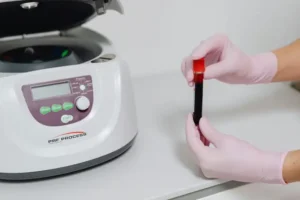
    Platelet Rich Plasma (also known as PRP) is an autologous concentration of platelets in plasma. To produce PRP we centrifuge whole blood to isolate the plasma component. By centrifuging the blood, you obtain a significantly higher concentration of platelets than baseline levels. PRP is not the same as buffy coat. Buffy coat is the thin layer between the plasma and the red blood cells. Different from PRP, the buffy coat is enriched with white blood cells.

    platelet rich plasma centrifuge

    Indications for PRP

    There are quite a few medical specialties and indications for PRP:

    1. Chronic Wound Management: PRP has been applied to improve the healing of chronic, non-healing wounds, such as diabetic ulcers and pressure injuries. The theory is that it promotes cellular proliferation and wound closure.
    2. Orthopedics and Sports Medicine: PRP is employed to enhance healing in musculoskeletal injuries, particularly in cases of chronic tendinopathies (e.g., lateral epicondylitis, Achilles tendinopathy), ligament sprains, and intra-articular conditions like osteoarthritis. The growth factors in PRP are thought to augment tissue repair and reduce inflammation.
    3. Dermatology and Aesthetic Medicine: PRP is used in procedures such as androgenetic alopecia treatment and skin rejuvenation. The idea is that it has the ability to stimulate collagen synthesis and improve dermal matrix quality.
    4. Oral and Maxillofacial Surgery: PRP is incorporated into procedures like bone grafting and dental implantology to promote osseointegration, accelerate wound healing, and enhance bone regeneration.

    How does PRP Work?

    There are many theories regarding the mechanism of platelet rich plasma for ischemic wounds. Platelets play a critical role in hemostasis and tissue regeneration. They can release growth factors such as PDGF, TGF-β, VEGF, and EGF. These have the potential to promote angiogenesis, cell proliferation, and tissue repair.

    Still, we consider PRP as a safe and potentially effective therapy. However, while clinical applications are expanding, the therapeutic efficacy of PRP remains subject to ongoing research, with variability in preparation methods and clinical outcomes noted in literature.

    Platelet Rich Plasma Protocol

    There are several ways to use PRP on diabetic and/or ischemic wounds. One way involves injecting the centrifuged layer of clotted platelets around the wounds. Another approach involves applying this layer on the wounds. You can find a protocol in this paper (in the methods section).

    The Data for Platelet Rich Plasma for Ischemic Wounds

    Bottom line: The results are favorable. PRP probably increases wound healing, reduces wound infection and reduces amputation rate.

    Most of the data are case-reports. There are also a handful of comparative studies. A meta-analysis published in 2024 reported on 15 such studies. Taken together, there were 1076 patients, who represented both treatment and controls, almost evenly. The odds-ratio in favor of platelet rich plasma for complete wound closure was 3.23 [95% CI 2.42-4.31]. The same meta-analysis reported on wound infection. Here there were 682 patients. The treatment group had a lower rate of wound infection with an odds-ratio of 0.46, but a rather wide confidence interval of 0.21-0.99. Finally, they reported on amputation that was above the foot. Of 760 patients, the OR for amputation was lower in the treatment group (OR 0.5, [95% CI 0.3-0.84]).

  • Edema in Legs

    Edema in Legs

    If you are reading this article, your legs are probably swollen and you are trying to understand the reasons and find solutions. Indeed, the word edema means swelling. So edema in legs means leg swelling. Generally, there are two types of reasons for your legs to swell. The first, will be a problem in the body. For example, a problem in your heart, liver or kidneys. The second group of reasons will be problems in your legs. For instance, leaky vein valves also known as venous insufficiency. In this article you will learn more about identifying the causes for leg swelling and understanding basic solutions.

    Types of Edema in Legs

    First, you must understand that not all swelling is made the same. True, usually the cause for edema is too much fluid that is trapped in the legs. But not all fluid is the same and not all swelling is fluid. Sometimes the cause of the swelling is too much fat. This will result in a special type of edema called lipedema. Another option is that the fluid being trapped in the legs is actually lymph. Then the edema will be lymphedema.

    But how can you understand the cause? Sometimes all it takes to know the reason for the swelling is to look at the legs. For instance, swelling from too much fat will not involve the feet. Again, this is called lipedema. But sometimes, we will need more sophisticated tests to understand the cause for the leg edema. Examples of tests include blood tests, ultrasound examinations and MRI of the soft tissue.

    Causes for Leg Swelling

    Now that we understood the options for the type of edema, we will want to understand why it accumulated in the legs in the first place. Generally, we divide the causes into causes in the body, and causes in the legs.

    Edema in Legs from a Problem in the Body

    The main medical conditions that will cause leg swelling are heart failure and kidney disease. But there are other reasons such as hormone imbalance (typically with the thyroid hormone). When someone has swelling in both legs, we need to start by making sure that they do not have any of these conditions.

    Here, we should also consider medication side-effects. Probably the most common medication to cause edema in legs is a blood pressure medicine called amlodipine. If it is indeed the cause, reducing the dose, or stopping it altogether, will reverse the swelling.

    Leg Swelling from a Local Problem in the Legs

    Often, leg swelling will be a sign of a problem in the legs themselves. The most common reason will be a problem with the veins. If the swelling happens suddenly, especially if it is one leg swelling and if it is painful, we have to make sure there is no blood clot. Otherwise, we can think of other reasons such as venous insufficiency, lipedema and lymphedema.

    Finally, we have to mention the most common reason for leg swelling. This is dependent edema. In this condition, the ankles and calves tend to accumulate fluid especially after sitting, flying or on a hot day. This condition is not dangerous, but the swelling may cause anxiety.

    Treatment for Leg Edema

    Treatment depends on the cause. For instance, if there is heart or kidney disease, the swelling will not disappear unless we treat that problem. Or if the problem is too little thyroid hormone, we will need to supplement that hormone to reduce the swelling. Similarly, if the problem is a deep vein thrombosis, you may need a blood thinner or even a procedure.

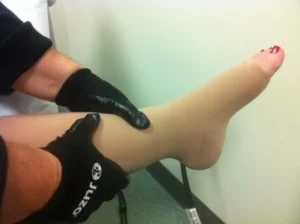
    But for the most common types of edema, usually a few simple measures will help relieve the swelling. These include walking around, raising your legs and considering compression stockings. Don’t discount these simple measures because they can offer great relief.

  • Erythema Ab Igne

    Erythema Ab Igne

    Erythema ab igne is a rash that develops with chronic heat exposure of the skin. It has been called “toasted skin syndrome” or “fire stains”. Classic examples include heat pads, electric blankets, hot-water bottles, laptops and even heated car seats. Having said that, in the past it was much more common in the days people used coal stoves and open fires to keep warm during cold times.

    Clinical Characteristics

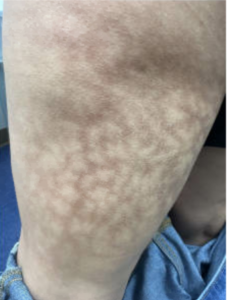
    The rash is lacy, hyperpigmented and painless. It develops slowly over time as a result of heat exposure. The heat is less than 45 degrees Celsius (which is the level that would cause a burn). Early lesions will resolve if heat is removed. But once time passes the lesions become fixed.

    erythema ab igne

    The rash can look a bit like livedo reticularis or livedo racemosa. It can also mimic Welzel’s sign of acute pancreatitis. But the telltale sign is the specific story to do with heat exposure. Still, there is a longer list of differential diagnosis to consider in cases that are not straightforward.

    The reason the rash is reticulated is damage to superficial vein. The heat damages these blood vessels, so the rash corresponds to the pattern of the veins under the skin.

    Erythema Ab Igne Complications

    The main complication is that a certain type of cancer can develop from this rash. Most feared is aggressive skin cancer. Several types of cancer can develop. These include squamous cell carcinoma, basal cell carcinoma, Merkel cell carcinoma, and even cutaneous marginal zone lymphoma. These can develop 10-30 years after the heat exposure.

    A biopsy is important when suspecting cancer. Sometimes erythema ab igne will mask a cancer lesion within it, so careful examination to look for unusual lesions is important.

    Topical 5-FU may prevent cancer if applied to these lesions and may improve their appearance.

  • Pulmonary Embolism Symptoms

    Pulmonary Embolism Symptoms

    Pulmonary embolism is considered one of the “great masqueraders” of medicine. This means that it is easy to miss pulmonary embolism symptoms if you do not make sure to think about them in advance.

    Pulmonary Embolism Symptoms

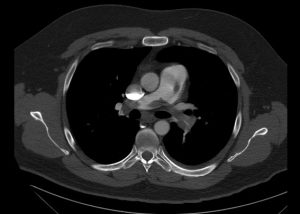
    First, many pulmonary embolism patients do not experience any symptoms at all. We sometimes see an incidental pulmonary embolism when we perform imaging for a different reason. Even a saddle PE may be incidental.

    Most Patients Will Have Symptoms

    The most common symptom will be shortness of breath. Patients may either find it hard to breath, or describe that activity is harder than it used to be. A second common PE symptom is chest pain. We usually describe this pain as ‘pleuritic’. Pleuritic chest pain means that it is sharp and stabbing and that it is worse with breathing.

    Obviously, the combination of pleuritic chest pain and shortness of breath sounds very hard to miss. But there are other conditions that can present in a similar fashion. For instance, pneumonia, costochondritis and pericarditis.

    Patients may have other symptoms as well. For instance, because most pulmonary embolism start as a deep vein thrombosis, a patient may focus on leg symptoms such as a swollen leg.

    Pulmonary Embolism Signs

    In medicine, we distinguish between signs and symptoms. Symptoms are subjective. They are what a patient tells us is bothering them. Signs are objective. These are findings we can measure for ourselves during examination or testing.

    The most common sign will be an elevated heart rate, tachycardia. If the clot is significant enough, we will also find a reduced amount of oxygen in the blood. This is a reduced oxygen saturation.

    If we test with ECG the most common finding will be sinus tachycardia. Still, we may also find signs of right heart strain. The ‘classic’ ECG findings of pulmonary embolism are S1Q3T3.

    While we usually diagnose PE with CT, there are even typical signs on X-ray. These are not easy to spot, but basically there is reduced blood flow to the lungs, because the arteries are blocked by clot.

  • Foot Swelling

    Foot Swelling

    Foot swelling can be concerning. It is important to uncover the cause for the swelling, to offer appropriate treatment. One way to think about a swollen foot is whether there is pain involved.

    Painless Foot Swelling

    If the one or both feet are swollen, but there is no pain, this points us in a certain direction. Obviously, the cause for the swelling is fluid retention. The medical term for this is ‘edema’. The cause for the edema may be in the limb, or farther upstream, such as in the heart or kidneys.

    Heart Failure

    A malfunctioning heart pump will cause foot swelling. Usually both feet and ankles will be swollen. The swelling is painless. It is also ‘pitting’. This means that if you press on the swelling with your finger or thumb, it will leave a temporary mark.

    If a person has foot swelling and the cause is unknown, testing for heart failure is important. The easiest way to test is with an echocardiogram. This is a simple ultrasound of the heart that can test for the heart muscle function.

    Rarely, you will need more sophisticated testing to measure the pressures within the heart. But that is uncommon.

    Kidney Disease

    One important job the kidneys perform is to rid the body of excess fluid. If the kidneys are not working properly, fluid will accumulate in the body. Because fluid follow gravity, it will accumulate first in the feet. For this reason swelling of the feet and ankles can be the first sign of a problem with the kidneys. Like with heart failure, the swelling is painless, usually on both sides and pitting.

    Testing for kidney disease involves a simple blood test and urine test. In the blood, we mainly look for the creatinine level. And in the urine we check for excess protein.

    Lack of Protein in the Body

    We all have protein in our bloodstream. Among other purposes, this protein helps to keep fluid within the blood vessels. If the protein levels are too low, then fluid will leave the blood vessels and seep into the surrounding tissue.

    Testing for protein in the blood involves a simple blood test. We look for two measures: albumin and total protein. Sometimes, we need more sophisticated tests such as electrophoresis when we are looking for specific proteins in the blood or urine. But these are available in most labs.

    Venous Insufficiency

    Our veins bring blood back from the feet to the heart. If the veins do not function properly, we call it venous insufficiency. In this condition, the pressure rises within the veins, because they cannot move fluid effectively. Then, this pressure buildup will push fluid out of the veins, into the surrounding tissue. Venous insufficiency can happen in on leg or in both. Obviously, if it happens in one leg it can result in one foot swelling.

    Testing for venous insufficiency involves a simple ultrasound. The ultrasound will test for blood flow direction and vein valve function. Some centers will have another test called plethysmography. But that has become less common.

    Treatment for venous insufficiency involves compression stockings and sometimes procedures such as sclerotherapy and venous ablation.

    Lymphedema

    The lymphatics are delicate blood vessels that collect excess fluid and protein and bring it back into the circulation. If the lymphatics malfunction, this fluid will remain outside of the main circulation.

    Different from the foot swelling of heart failure, kidney disease and lack of protein, the swelling in lymphedema is ‘non-pitting’. This means that if you press on it, you will not leave a mark.

    Foot swelling from lymphedma
    Swollen feet and ankles from lymphedema

    Usually, we diagnose lymphedema by examining the foot. But sometimes we need special testing such as lymphoscintigraphy.

    Treatment for lymphedema involves compression stockings, manual lymphatic drainage and lymphedema pumps.

    Dependent Edema: The Most Common Reason for Foot Swelling

    Dependent edema is probably the most common reason for foot swelling. Despite being so common, it is hard to explain. In broad terms, keeping fluid in the blood vessels involves keeping tension on them. This tension is maintained through nerves, response to temperature and local hormones. If any of these do not function properly, fluid will leave the blood vessels.

    There are many everyday examples of dependent edema that you probably know. For instance, this is the reason for swollen ankles after flight, swollen feet on a hot day or swollen feet after sitting.

    Treatment for dependent edema involves avoiding the cause. For instance, don’t sit for too long. Get up and walk. If the swelling is troublesome, you can consider compression stockings.

    Foot and Joint Weakness

    We all have pumps in our feet, ankles and calves. When we walk, these pumps help move fluid up toward the heart. In people who do not walk much, or in people who have a stiff ankle joint, these pumps will not work properly. Then, fluid will accumulate in the feet. If there is a problem on one side, then obviously this will cause foot swelling on that side.

    Treatment for this type of foot swelling is not always simple. Sometimes, physical therapy or special orthotics will help.

    Foot Swelling with Pain

    Sometimes a swollen foot will be painful. If this is the case, we need to think of specific causes.

    Arthritis

    Arthritis means inflammation of the joint. There are many reasons for arthritis including wear and tear, infection, diseases where the body attacks the joints and crystals that deposit within the joints.

    Arthritis will cause foot swelling above the affected joint. But sometimes the swelling is more pronounced. There is often redness and the joint will feel hot.

    Testing for arthritis involves an x-ray and often an MRI. Sometimes we will need to aspirate the joint. This means putting a needle in the joint to retrieve some fluid. Then, we look at the fluid under the microscope to look for crystals.

    Treatment for arthritis depends on the cause. For instance, antibiotics for infection.

    Foot Swelling from Trauma

    A bruise or a fracture will cause swelling over the affected area. You may be surprised to learn, that people will not always remember the injury. This is especially true in patients with severe neuropathy such as diabetics. They just may not be able to feel the area to know there was a problem. A severe form of this type of problem is called Charcot foot.

    Cellulitis

    Cellulitis means infection of the skin. Obviously, our feet are seldom clean. So any break in the skin can allow an infection to enter the skin. Cellulitis will cause foot swelling, redness, heat and tenderness.

    To diagnose cellulitis we combine the patient’s story, with our examination of the foot. We can add blood tests to see if there are signs of infection such as an elevated white blood cell count or elevated markers of inflammation.

    Treatment for cellulitis involves antibiotics.

  • Cold Purple Feet

    Cold Purple Feet

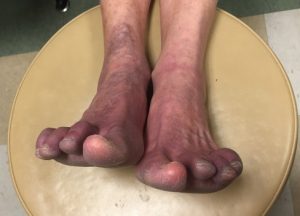
    Cold purple feet are a common complaint. Often, a patient will be concerned if they have these symptoms. But usually the cause is not dangerous. Still, there are a few important causes we should never miss.

    The Most Common Cause for Cold Purple Feet

    The most common cause for cold purple feet is a problem with the regulation of blood flow to the skin. The blood flow to the skin is regulated by temperature, emotions, pressure, nerves and more. If any one of these malfunctions, the blood flow to the skin will change.

    cold purple feet

    Too little blood flow to the skin will cause it to cool down. And if blood flow in the skin is too slow, the blood cells will release oxygen. Once that happens, the remaining blood looks purple.

    The most common scenario this occurs in is acrocyanosis.

    Cold Purple Feet from Poor Circulation

    In my experience, most patients who are concerned by cold purple feet believe they have poor circulation. Truthfully, most do not. But some will. When we say ‘poor circulation’, what we really mean is that there is not enough blood reaching the feet. The most common cause will be artery blockages from peripheral artery disease.

    For peripheral artery disease to cause purple cold feet, the blockages need to be quite severe. But in reality, most patients who have peripheral artery disease do not have such severe blockages. So, usually, the cause of the cold sensation or the discoloration is not from poor circulation.

    Neuropathy

    Neuropathy is a condition where small nerves malfunction. A common cause for neuropathy is diabetes. We need the small nerves for several reasons. First, they are part of the way we sense our environment. But they have another role. The small nerves are part of the mechanism that controls blood flow in the skin. So, if a person develops neuropathy, it might affect the blood flow to the skin. If this happens, the skin may feel cool, if there is not enough blood reaching it. This is not particularly dangerous, but it may be concerning.

    There is another type of nerve issue that can cause cold purple feet. Patients who have spinal issues may develop swollen, purple and cold feet.

    Frostbite

    Frostbite develops when we are exposed to extreme cold for too long. First, the body will respond by reducing blood flow to the skin. But if the cold exposure continues, damage will start to accumulate. Obviously, the affected foot will turn cold. But the lack of blood flow will also cause a color change. First, the extremity may seem blue or purple. But if the cold exposure continues, then the patient may develop gangrene.

    Pernio / Chilblains

    When we are exposed to cold, our body restricts blood flow to the skin by constricting arteries. If the constriction is exaggerated, people will experience more severe blood flow restriction. In the fingers, the most common cause will be Raynaud’s. But in the feet it is more commonly pernio (also known as chilblains).

    Medication Side Effects

    Some medicines constrict arteries. As a result, there is less blood flow and the feet may turn purple and cold. One example of such medication is Adderall. But there are others as well. If you started a new medicine and then noticed a temperature or color change in your feet, consider a medication side effect.

  • Black Spot on the Toenail

    Black Spot on the Toenail

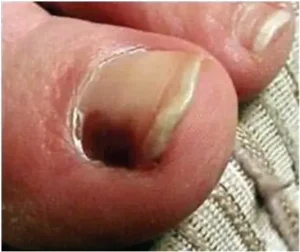
    Finding a black spot on the toenail can be concerning. And indeed, sometimes the cause is a melanoma, which is a type of cancer. But other times the color change has a totally different cause. Also, it is important to remember that spots or lesions under the toenails are different from black spots on the toes themselves.

    Black spot on the toenail

    A Black Spot on the Toenail from Melanoma

    The most important cause of a black spot on the toenail is a melanoma. Melanoma is a type of skin cancer that arises from the same cells that give our skin its color. So a melanoma will typically be brown or black. In the toenail, these cells exist in the nailbed. For this reason, a melanoma will often start as a black or brown line that grows from the nailbed.

    The only way to truly make the diagnosis is with a full-thickness biopsy. Once the diagnosis is made treatment is surgery and immunotherapy in appropriate cases.

    Other Causes of a Black Dot on the Toenail

    While we must never miss a melanoma, it is still uncommon. There are other reasons for a black spot on the toenail that are much more common.

    Benign Nevus (“Mole”)

    We all have moles (a darker circular area of the skin) all over our bodies. The medical term is “nevus”. Sometimes a specific type of nevus called a junctional nevus can form under the nailbed. Different from a melanoma, a nevus is chronic and does not change over time. There are other types of lesions with pigment that can develop under the nails.

    Fungal Infection

    A fungal infection of the toenail is very common. The medical term is onychomycosis. This type of infection is chronic and develops over years. The toenail will gradually change color. It will typically become yellowish-brown. Truthfully, this does not resemble a melanoma, but it is often listed as a condition to consider.

    black spot on toenail

    Bruise

    A bruise, or small bleed, will form a dark area under the nail. Obviously, usually people will remember the trauma that caused the bleed. But sometimes they won’t. Still, because the space under the nail is limited, any accumulation of blood there will usually be painful. Also, it will usually appear suddenly.

  • Edema in One Leg

    Edema means swelling from fluid build-up. So, edema in one leg means that fluid builds up in that leg. In other words, one leg swelling. This is never normal. Some causes are dangerous, while others are not. It is important to understand the cause for the swelling to decide about treatment.

    Dangerous and Sudden Causes of Edema in One Leg

    Edema in One Leg from Deep Vein Thrombosis

    A blood clot in a vein is called a deep vein thrombosis or DVT. When the clot forms, it blocks the vein. This will cause the pressure to rise inside the vein. Once the pressure rises, fluid will seep out of the vein into the surrounding tissue. This fluid is the edema. Because DVT usually happen in one leg, the result will be edema in one leg.

    Bleeding

    An acute bleed into the leg will cause the leg to swell. Obviously, with time, we will be able to see the blood. This is called a hematoma. But in the beginning, there may be edema without the color change.

    edema in one leg from bleeding
    Hematoma of an arm. But it looks the same in the leg.

    A bleed to the leg will usually happen in one of three instances:

    • Injury
    • After a cath procedure. The cause is usually one of two. Either, bleeding from an artery that was stuck with a needle. Or, a pseudoaneurysm that ruptures.
    • In a patient who is taking a blood thinner a bleed can be spontaneous. Basically, we all have mistakes in our bodies. But our body also corrects these mistakes. If a patient is taking a blood thinner, a small bleed can grow rapidly, before the body has a chance to correct it.

    Muscle Tear

    A muscle tear can happen after a wrong movement or as a result of injury. This injury can cause edema around the tear.

    Chronic Causes of Edema in One Leg

    Sometimes people develop edema in one leg over a long period of time. The swelling is chronic. The causes of chronic swelling are very different than the causes of sudden swelling.

    Lymphedema

    The lymphatics are delicate blood vessels that carry fluid back into the main circulation. If the lymphatics do not work properly fluid will accumulate. If the damage is in one leg, fluid will accumulate in that leg. We call this type of fluid accumulation lymphedema.

    One leg swelling from lymphedema
    Lymphedema can be in one or both legs.

    Lipedema

    Lipedema means that fat accumulates beneath the skin. Usually, lipedema happens in both legs. Sometimes it also involves the arms. But sometimes, lipedema will not be symmetrical. In those instances, it can look like edema in one leg.

    Lipedema
    Lipedema usually occurs in both legs

    Usually, we can diagnose lipedema by examining the patient. It has a certain appearance and the skin has a certain velvet-like texture. Sometimes, we can see the fat accumulation by using MRI.

    May-Thurner Syndrome

    In some people, the right iliac artery compresses the left iliac vein. Sometimes, this compression pinches the vein enough to slow down blood flow. And sometimes, the result will be a deep vein thrombosis. When this happens, we sometimes use the term ‘May-Thurner syndrome’.

    However, not everyone will develop a blood clot. In some people the pinched vein will increase the pressure downstream. This increased pressure will cause fluid to seep out of the veins and into the surrounding tissue. And this will cause edema in one leg, the left leg.

    Post Thrombotic Syndrome

    Some people who suffer a deep vein thrombosis will develop long-term problems as a result. These problems are called the post thrombotic syndrome. The post-thrombotic syndrome includes skin changes, leg pain and also leg swelling.

    Venous Insufficiency

    Venous insufficiency means leaky vein valves. Symptoms include dilated veins such as varicose veins, leg heaviness or pain and leg swelling.

    Edema in one leg from varicose veins

    There are some unique causes of varicose veins with edema in one leg. One such cause is the Klippel-Trenaunay Syndrome (KTS). Patients have a combination of malfunctioning deep veins, special skin stains and growth of one side of their bodies compared to the other.